⚡ Quick Answer — Nidhi Shrimali
Rudraksha ke fayde are mostly about practice: it is a traditional aid for japa, steadiness and Shiva devotion, and the 5 mukhi bead suits almost anyone. The nuksan are practical, not spiritual: skin irritation from dye or thread, money lost on fakes, and false hope if it replaces a doctor. It cures nothing and guarantees no result.
Table of Contents
- Why "Fayde Aur Nuksan" Is the Right Question
- What You Are Actually Wearing
- Rudraksha Pehnne Ke Fayde: What Tradition Says
- The Benefits You Can Notice Yourself
- Panchmukhi Rudraksha Ke Fayde
- Rudraksha Mala Ke Fayde for Japa
- Original Rudraksha Ke Fayde vs a Duplicate
- Rudraksha Ke Nuksan: The Real Downsides
- Fears That Have No Basis
- Benefits and Downsides Side by Side
- Who Should Be Careful
- How to Keep the Downsides Small
- Do You Need a Rare Mukhi?
- What Rudraksha Cannot Do
Why "Fayde Aur Nuksan" Is the Right Question
Most pages about rudraksha list benefits and stop there. People who search for rudraksha ke fayde aur nuksan are asking something better: is it worth it, and can it go wrong? I have been asked this by first-time buyers, by parents choosing a bead for a teenager, and by people who were told by someone that the wrong rudraksha would bring trouble into the house.
So this guide does both halves honestly. The benefits are real in the way a spiritual practice is real. The downsides are real too, but they are mostly about money, skin and expectations, not curses. Knowing both helps you buy less, buy better, and wear it with the right frame of mind.
What You Are Actually Wearing
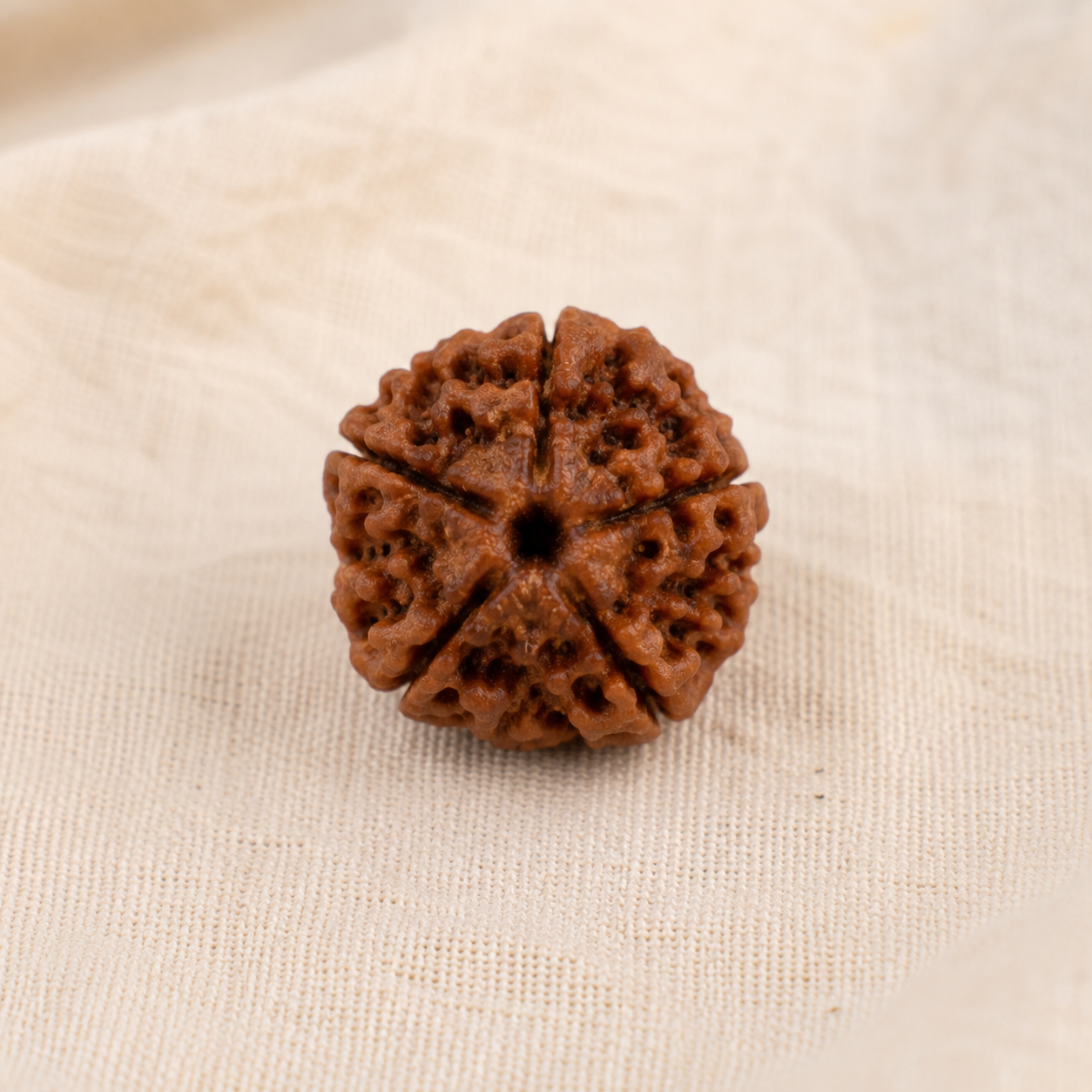
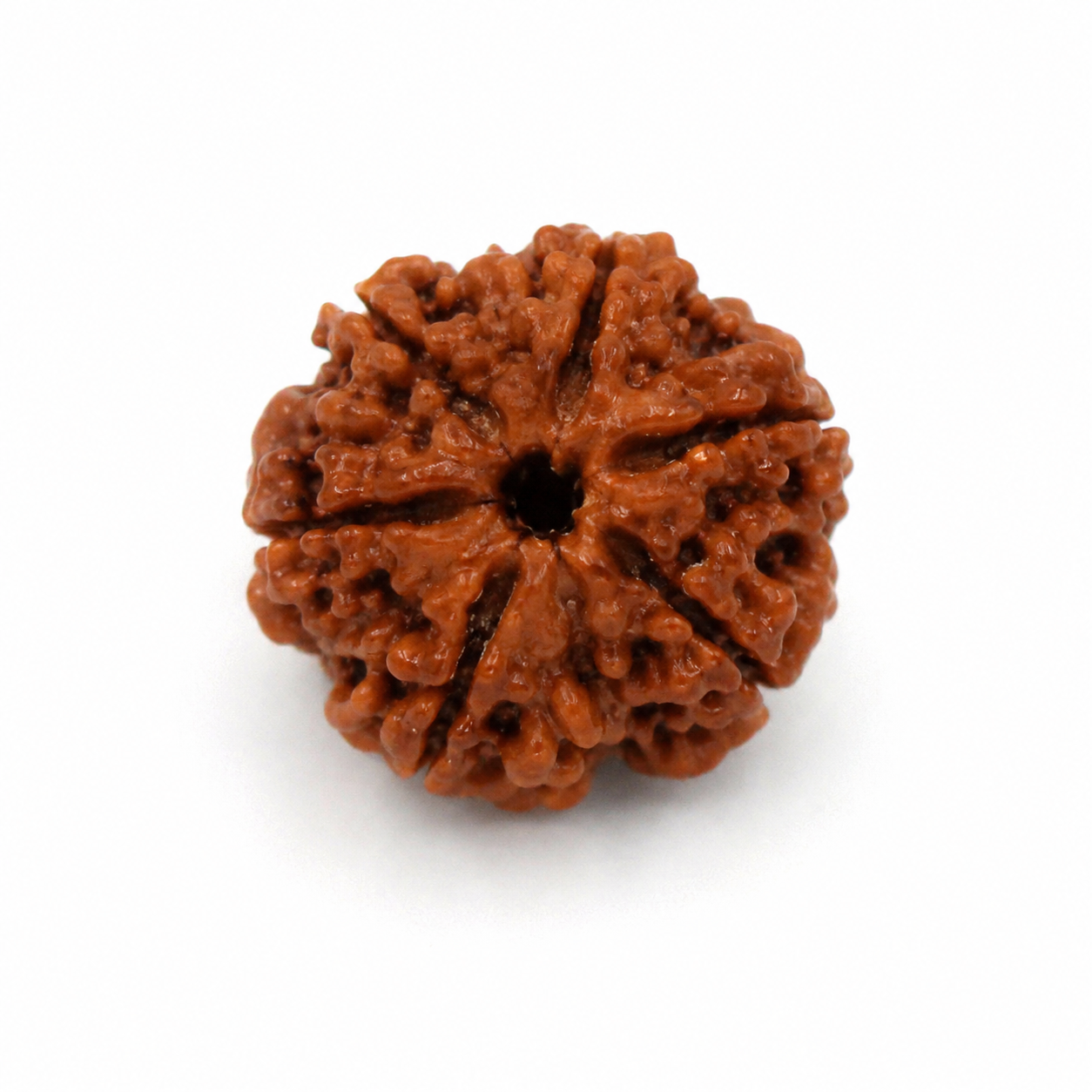
A rudraksha is the dried seed of the Elaeocarpus ganitrus tree, which grows in the Himalayan foothills of Nepal and India and across Indonesia. The grooves on its surface are called mukhis, and the number of mukhis is how a bead is named and valued. Five mukhi beads are the most common by a wide margin. Beads with one, or with fifteen and more, are rare.
In the Shaiva tradition the bead is linked with Lord Shiva, and the Puranic accounts describe it as born from his tears. That story is the root of its place in worship. It is not a gemstone, it carries no metal, and it does not act on the body the way a medicine does. Everything that follows rests on that understanding. If you want to see how the different mukhis are grouped, the guide to how many types of rudraksha there are covers one to twenty-one.
Rudraksha Pehnne Ke Fayde: What Tradition Says
Texts such as the Shiva Purana and later works on rudraksha describe the bead as auspicious, as protective, and as a support for meditation and mantra. Each mukhi is linked with a deity and, in later astrological practice, with a planet. Here is what the tradition attributes to wearing one:
- Support for devotion. It is worn as a sign of Shiva bhakti and as a constant reminder of one's practice.
- Steadiness of mind. Wearers in the tradition speak of feeling calmer and more settled, especially during japa.
- Planetary association. Specific mukhis are chosen for specific grahas. The rudraksha and planet chart lists these pairings.
- Protection. Many families keep a rudraksha in the puja room or give one to a child as a protective blessing.
Read these as what the tradition teaches, not as tested claims. I share them because they explain why people wear the bead, and because they set the right expectation: rudraksha belongs to the world of prayer, not to the world of guaranteed outcomes.
The Benefits You Can Notice Yourself
Some benefits do not depend on belief. These are the ones my clients describe most often, and you can judge them for yourself within a few weeks:
- A habit anchor. Touching the bead during the day becomes a cue to pause, breathe or say a short mantra. That small, repeated pause is often the most useful thing a rudraksha gives.
- Consistency in japa. A mala gives your counting a physical rhythm, so the mind wanders less than when you count on your fingers.
- A sense of intention. Wearing something you chose for a reason makes you more likely to keep the commitment behind it, such as a daily prayer or a calmer way of speaking at home.
- Low cost of trying. A five mukhi bead is inexpensive compared with most gemstones, and it needs no special setting in gold or silver.
None of this is magic. It is what happens when a person ties a practice to an object they see every day.
Panchmukhi Rudraksha Ke Fayde
If you are searching for panchmukhi rudraksha ke fayde in hindi or English, the short answer is that the five mukhi is the everyday bead of the tradition. It is associated with Kalagni Rudra, a form of Shiva, and in astrological practice it is usually linked with Jupiter (Guru).
Three things make it the usual first choice:
- It is considered suitable for almost everyone. The tradition does not tie it to a particular rashi, age or gender, so there is no chart reading needed before wearing one.
- It is the standard japa bead. Most rudraksha malas are made of five mukhi beads, so wearing one and chanting on one connect naturally.
- It is the easiest to buy genuinely. Because it is common, there is little profit in faking it, which lowers the risk for a first purchase.
The benefits people describe with a panchmukhi are the general ones above: calm, focus in prayer and a steady routine. If you want one to start with, the five mukhi rudraksha is listed with its origin, and the full rudraksha collection shows the other mukhis if a specific one has been suggested to you.
Rudraksha Mala Ke Fayde for Japa
A mala is a string of 108 beads plus one larger guru (sumeru) bead. Its main use is counting mantra repetitions. The benefits of a rudraksha mala are mostly about the practice it supports:
- You can finish a full round of 108 without losing count.
- The texture of the beads gives your fingers something to follow, which helps the mind stay with the mantra.
- One mala can serve for years of daily japa if you keep it clean and dry.
The tradition asks that you do not cross the guru bead while counting; at the end of a round you turn the mala and go back. A smaller mala of 27 or 54 beads is also used, especially for wearing on the wrist or neck. Before buying, it is worth reading how to check an original rudraksha mala, because lookalike seeds are most often slipped into strings.
Original Rudraksha Ke Fayde vs a Duplicate
People often ask whether a duplicate bead gives the same fayde. In the tradition the answer is no: the benefit is attributed to the seed of the rudraksha tree itself, so a carved, glued or moulded copy is simply a different object. In practical terms, a fake still works as a reminder to pray, but you have paid for something you did not get.
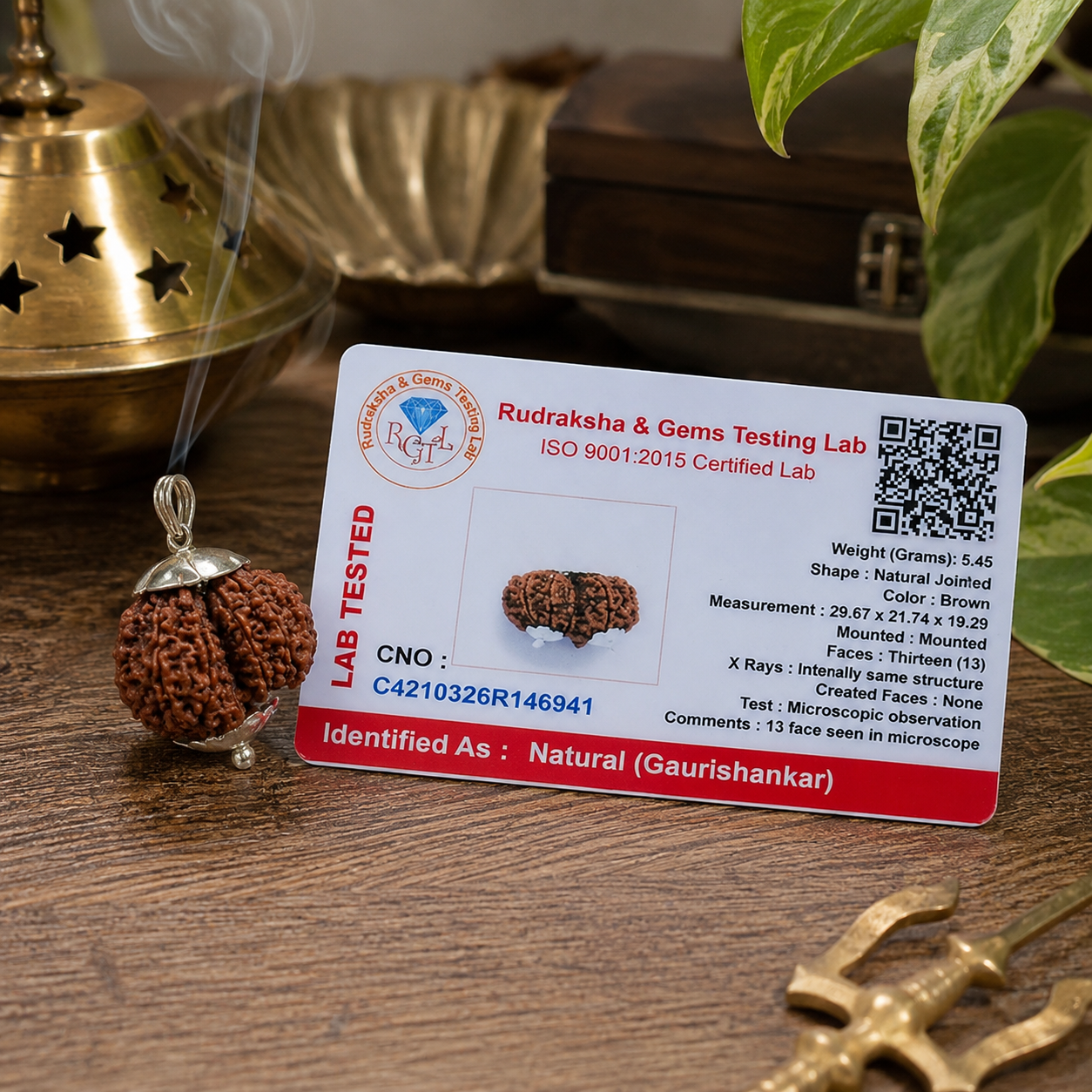
That is the strongest reason to buy carefully. For the five mukhi the risk is small. For rare mukhis, the price difference makes faking worthwhile, and the loss is bigger if you are cheated. The step-by-step guide on how to identify an original rudraksha covers counting mukhis, the magnifier check and when an X-ray is worth asking for.
Rudraksha Ke Nuksan: The Real Downsides
Here is the part most sellers leave out. These are the downsides I have actually seen, in rough order of how often they come up:
- Skin irritation. Some beads are dyed or coated in oil, and some threads use colour that runs with sweat. People with sensitive skin can get itching or a rash where the bead sits. The seed itself is rarely the cause; the treatment and the thread usually are.
- Money lost on fakes. Rare beads are faked often. Paying a large sum for a carved bead is the biggest real nuksan in this subject.
- Buying what you do not need. People are sometimes sold an expensive mukhi for a problem that a five mukhi, a mantra or simple patience would have served. That is a cost, even if the bead is genuine.
- Delaying real help. The serious risk is someone wearing a bead for anxiety, depression, blood pressure or a heart complaint and putting off a doctor. That harm is real, and no bead can make up for it.
- Physical wear. Beads can crack if they dry out, and threads can fray and snap. A bead worn on a worn-out thread is easily lost.
- Fear and worry. Being told a rudraksha will "react" or bring bad luck if a rule is broken causes stress that has nothing to do with the bead.
Notice what is on this list and what is not. Every real nuksan is avoidable with a bit of care.
Fears That Have No Basis
Several warnings circulate widely. In the tradition I follow, these have no support:
- "The wrong mukhi will harm you." Rudraksha is not treated like a gemstone that can strengthen a planet badly placed in your chart. At worst, a mukhi that does not suit your purpose does nothing in particular.
- "A fake brings bad luck." A fake is a disappointment and a loss of money, not a curse. Remove it and replace it.
- "Women cannot wear rudraksha." Women wear rudraksha widely. Some families keep their own customs, and you can follow your family's practice, but there is no general bar.
- "If it breaks, something bad will happen." A cracked bead is old or dried out. Retire it respectfully, for example by placing it in flowing water or under a tree, and wear a new one.
Some customs, such as removing the bead before a funeral or while bathing with soap, are matters of respect and practice. Follow them if they matter to you; nothing terrible happens if you forget once.
Benefits and Downsides Side by Side
This table puts the main fayde and nuksan together so you can see where each comes from.
| Area | Fayda (benefit) | Nuksan (downside) | What decides it |
|---|---|---|---|
| Spiritual practice | Support for japa and devotion | None, unless it replaces the practice itself | Whether you actually pray with it |
| Mind and routine | A daily cue to pause and steady yourself | Worry if you believe fearful rules | Your expectations |
| Skin | No special benefit | Itching from dye, oil or coloured thread | Bead treatment and thread choice |
| Money | Five mukhi is inexpensive | Large losses on fake rare beads | Where and how you buy |
| Health | No medical benefit | Harm if it delays treatment | Seeing a doctor first |
| Durability | Lasts years with care | Cracks if dried out; thread wear | Occasional oiling and re-stringing |
The pattern is plain: the benefits depend on how you use it, and the downsides depend on how you buy and look after it.
Who Should Be Careful
Rudraksha is safe for most people to wear, but a few groups should take extra care:
- People with sensitive skin or eczema. Choose an untreated bead on a plain cotton or silk thread, or a silver capping, and remove it at night if the skin reacts.
- Small children. A loose bead is a choking risk. Keep it in the puja room or have an adult wear it on the child's behalf.
- Anyone being treated for a medical or mental health condition. Wear it if it comforts you, but keep every appointment and every medicine your doctor has given.
- Anyone told to buy a very expensive bead urgently. Urgency is a sales tactic. Slow down and get a second view.
How to Keep the Downsides Small
Almost every nuksan above can be avoided with a few habits:
- Start with a five mukhi unless someone who has read your chart suggests otherwise.
- Rub a new bead with a damp white cloth. If colour comes off, wash it gently and let it dry before wearing.
- Use a thread that does not bleed colour, and replace it when it starts to fray.
- Once every month or two, wipe the bead with a little sesame or mustard oil so it does not dry and crack.
- Ask the seller for the mukhi and origin in writing, and for an X-ray on rare beads.
- Keep realistic expectations. Wear it as part of a practice, not as a solution on its own.
Which hand or where to wear it is a separate question; the guide on which hand to wear rudraksha in covers that.
Do You Need a Rare Mukhi?
Usually not. Rare mukhis are linked in the tradition with specific purposes and planets, and some people genuinely want one for that reason. But price rises sharply with rarity, and so does the risk of fakes. A bead chosen without looking at the chart is often a guess.
If someone has suggested a specific mukhi for a planetary reason, a kundali analysis will show whether that planet actually needs attention. Often the advice is a mantra, a fast or a change of habit rather than a purchase. If a bead does make sense, you can then choose it from the rudraksha category knowing why you are buying it.
What Rudraksha Cannot Do
A genuine, well-chosen rudraksha still has clear limits. It does not cure disease, lower blood pressure, treat depression or anxiety, or replace any medicine. It does not guarantee wealth, a job, a marriage or a child. It does not undo the effects of a planet by itself.
If you are facing a health problem, see a doctor first, and keep the rudraksha alongside your treatment if it helps you feel steady. If you are facing a life decision, use it as a support for prayer and clear thinking while you do the practical work. That is the honest place for it, and in that place it serves people well.
शुभकामनाओं सहित,
Nidhi Shrimali
Chief Astrologer, Pandit NM Shrimali
🎯 Choose a Rudraksha With Its Mukhi and Origin Named
Every bead in our rudraksha collection is listed by mukhi and origin, so you can check it when it arrives. If you are not sure you need one, ask us first. We will tell you honestly if a five mukhi or no bead at all is the better answer.
👉 Browse: www.panditnmshrimali.com/categories/rudraksha
📱 WhatsApp: +91-8955658362
Disclaimer: This article is for educational and spiritual purposes only. Rudraksha is a traditional practice, not medical treatment, and no outcome is guaranteed. Consult qualified professionals for medical, legal or financial matters.
Remedy items from our store
Traditionally used with the remedies in this article. Certified and energized before dispatch. If you are unsure which one suits your chart, our astrologer can check your Kundali before you choose.
Ready for expert guidance?
Get Personalized Guidance from Nidhi Shrimali
Every consultation is a one-on-one telephonic session with Astrologer Nidhi Shrimali. Get detailed Kundali analysis, dosha identification, and personalized Vedic remedies.
Frequently Asked Questions
What are the benefits and side effects of rudraksha (rudraksha ke fayde aur nuksan)?+
What are the benefits of panchmukhi rudraksha?+
Can wearing the wrong rudraksha cause harm?+
Does a duplicate rudraksha give the same benefits as an original?+
What are the benefits of a rudraksha mala?+
Can rudraksha cause skin allergy?+
Can rudraksha cure anxiety, blood pressure or other health problems?+
Written by
Nidhi Shrimali
Vedic Astrologer
Nidhi Shrimali is a Vedic astrologer with 18+ years of experience specializing in Kundali Vishleshan, Kundli Milan, Vastu Shastra, and Numerology. 1,425+ Google reviews, 4.8 rating. Based in Jodhpur, Rajasthan.